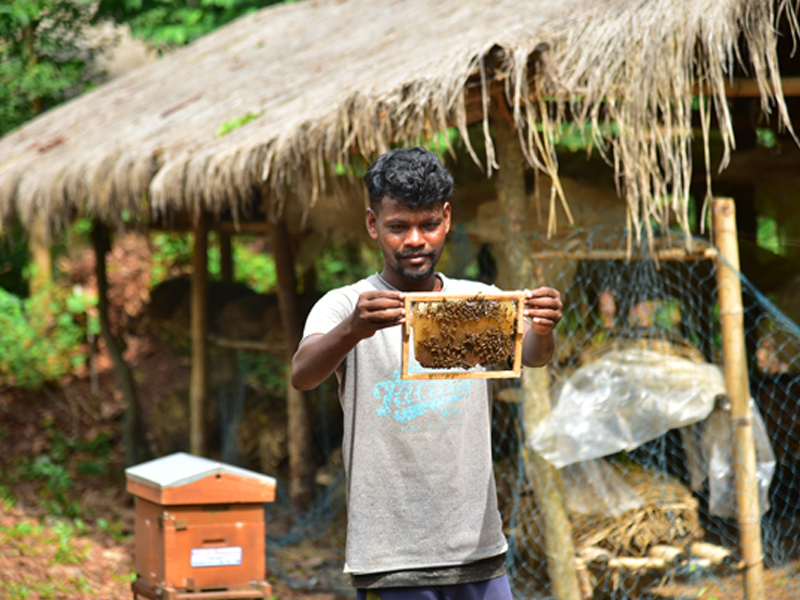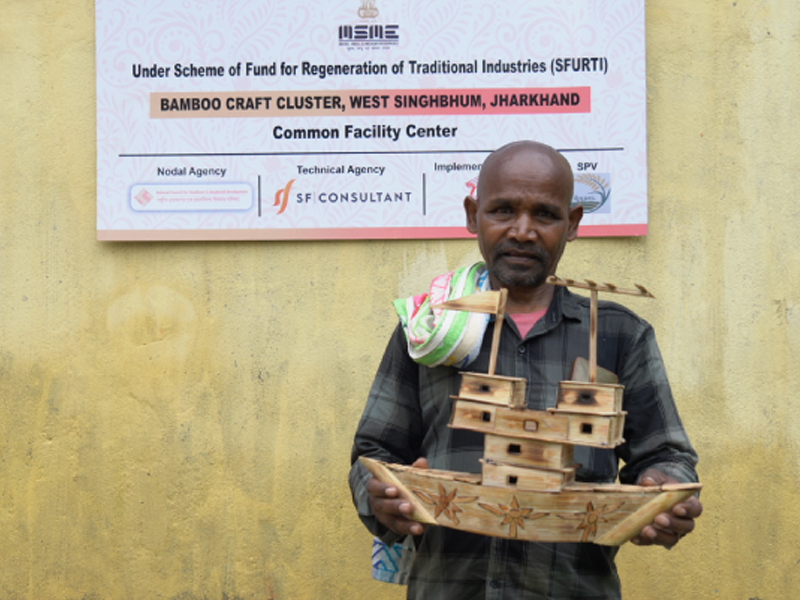
At NAMM, we believe that sustainable livelihoods are fundamental to poverty reduction, economic resilience, and community well-being. Our livelihood interventions focus on empowering women, smallholder farmers, and vulnerable households by strengthening local institutions, enhancing productive capacities, and promoting income-generating opportunities based on locally available resources and market potential.
By fostering entrepreneurship, improving access to financial services, promoting climate-resilient agriculture, and facilitating convergence with government programmes, NAMM enables communities to build sustainable sources of income and achieve long-term economic security.
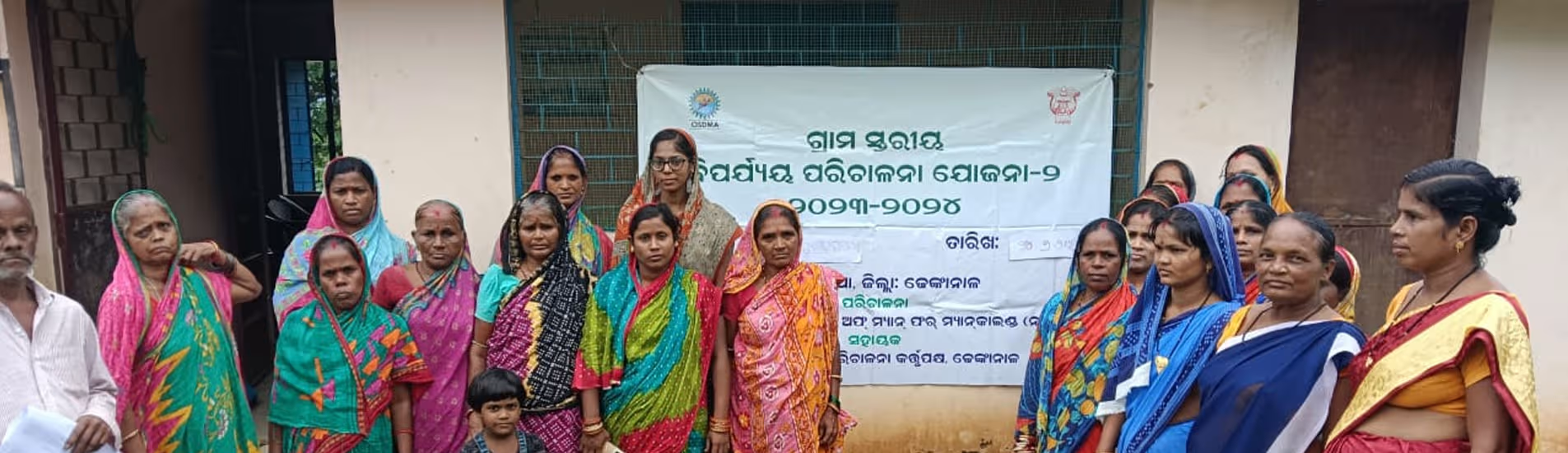
Strengthening Community Institutions Facilitating the formation and nurturing of Women Self-Help Groups (WSHGs), Village Development Committees (VDCs), and other community-based organizations to promote collective action, self-reliance, and local governance.
Capacity Building of Community Groups Enhancing the leadership, management, financial literacy, and organizational skills of WSHGs and VDCs to enable them to function as effective and sustainable community institutions.
Financial Inclusion and Access to Credit Promoting financial inclusion through bank linkages, access to savings and credit services, digital financial literacy, and connections with formal financial institutions.
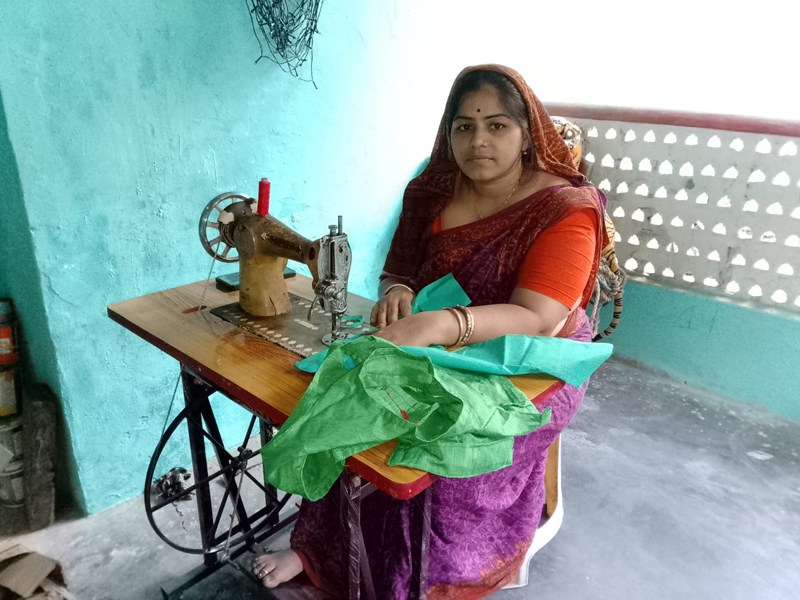
Women’s Entrepreneurship and Enterprise Development Supporting women-led enterprises and micro-businesses through skill development, business planning, market linkages, mentoring, and access to financial resources.
Farmer Capacity Building and Collective Action Strengthening the capacities of farmers through training on improved agricultural practices, sustainable farming techniques, and the promotion of farmer collectives and producer groups.
Land Development and Water Resource Management Facilitating land development, soil conservation, watershed management, and efficient water resource utilization to improve agricultural productivity and climate resilience.Facilitating land development, soil conservation, watershed management, and efficient water resource utilization to improve agricultural productivity and climate resilience.
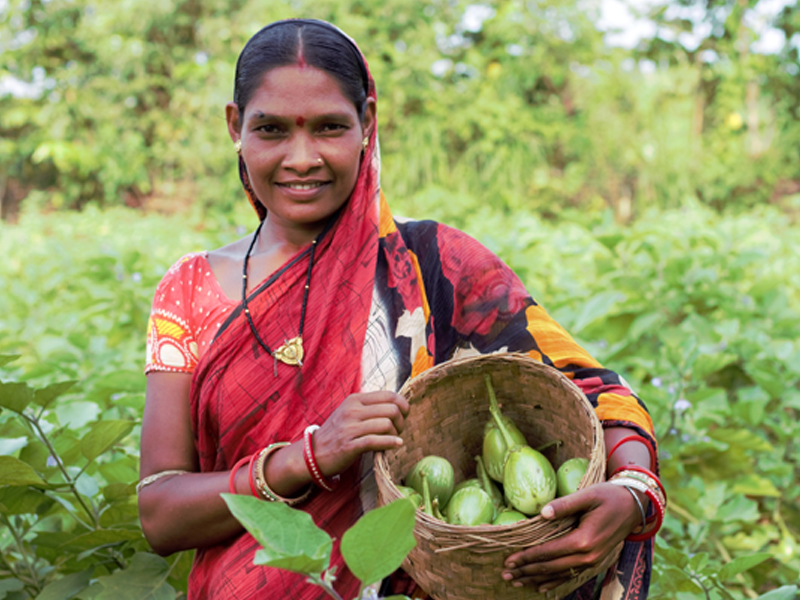
Promotion of Horticulture and Diversified Farming Encouraging horticulture, agroforestry, kitchen gardens, and diversified farming systems to enhance household income, nutritional security, and environmental sustainability.
Convergence with Government Programmes Facilitating access to government schemes, missions, subsidies, and development initiatives to maximize livelihood opportunities and strengthen social and economic security.
We envision empowered communities where women, farmers, and marginalized households have access to sustainable livelihood opportunities, resilient production systems, and equitable economic growth, enabling them to lead dignified and prosperous lives.
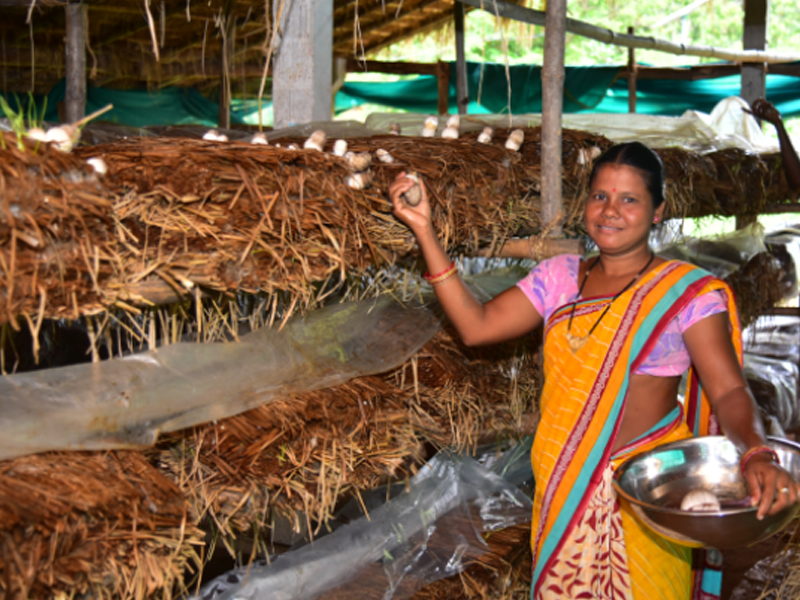
Mushroom Cultivation
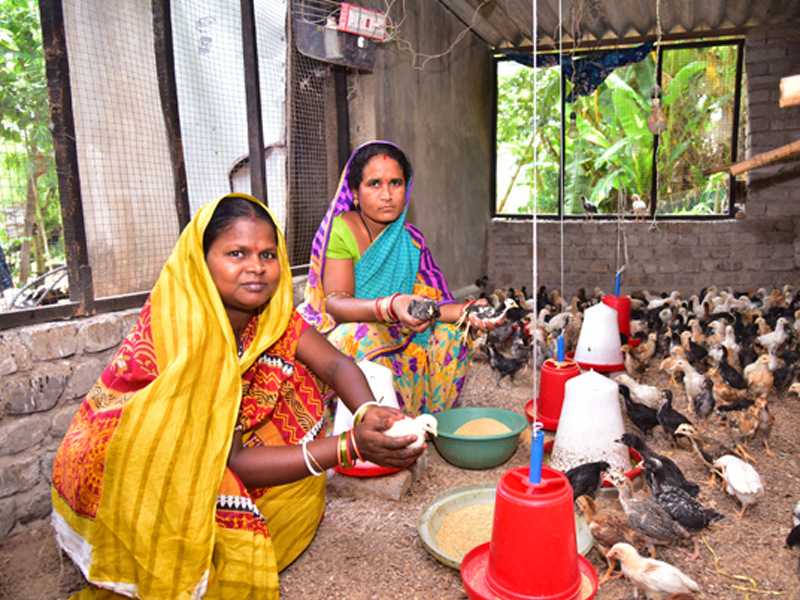
Goat and Poultry Farming
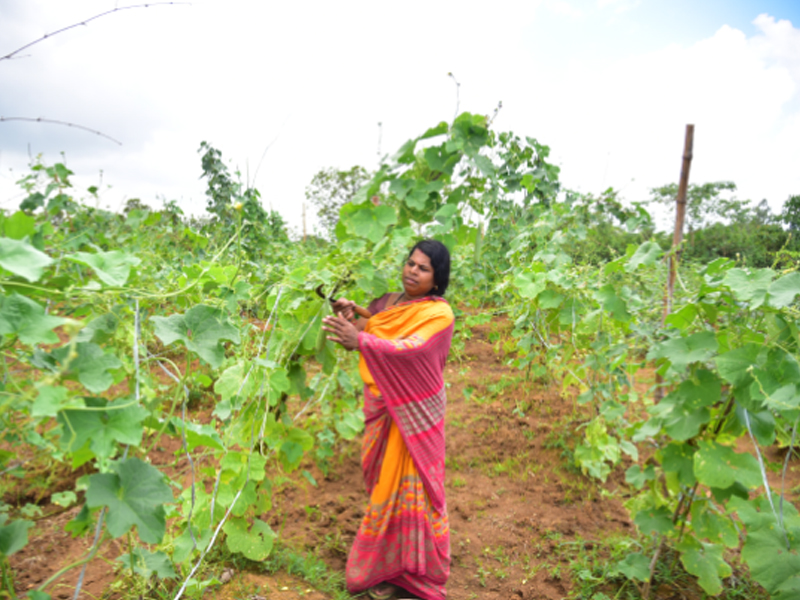
Vegetable Production and Marketing
Sustainable livelihoods require strong community institutions, access to financial resources, and continuous mentoring. We provide comprehensive support to Self-Help Groups (SHGs) and Village Development Committees (VDCs) to strengthen their organizational capacities, enhance financial inclusion, and ensure the long-term sustainability of livelihood initiatives.
Access to Livelihood Inputs and Resources
Financial Inclusion and Bank Linkages
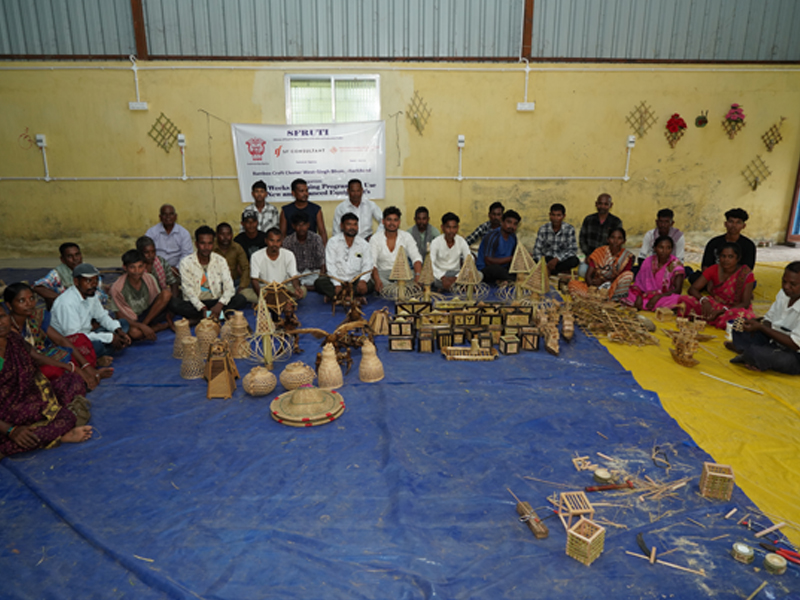
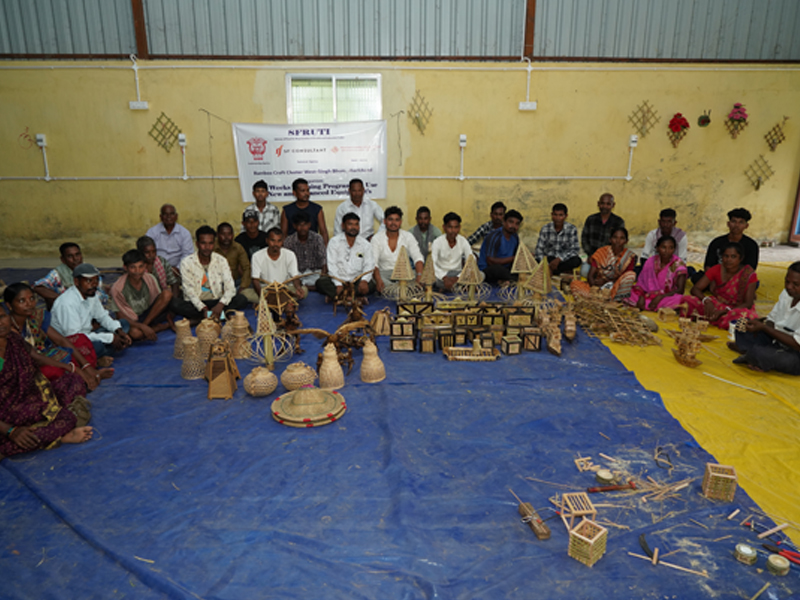
Capacity Building and Leadership Development
Handholding and Continuous Mentoring
Strengthening Community Institutions Monitoring, Learning, and Growth
We equip farmers, women, and rural entrepreneurs with practical knowledge and technical skills to enhance productivity, diversify income sources, and promote sustainable agricultural practices. Through hands-on training, demonstrations, and continuous mentoring, we empower communities to adopt innovative and environmentally responsible livelihood practices.
Mushroom Cultivation and Enterprise Development
Goat rearing and Poultry Management
Sustainable Farming Practices
Organic Compost Preparation
Demonstration and Practical Learning
Through these capacity-building initiatives, We foster self-reliance, enhances agricultural productivity, and strengthens the economic resilience of rural households.